
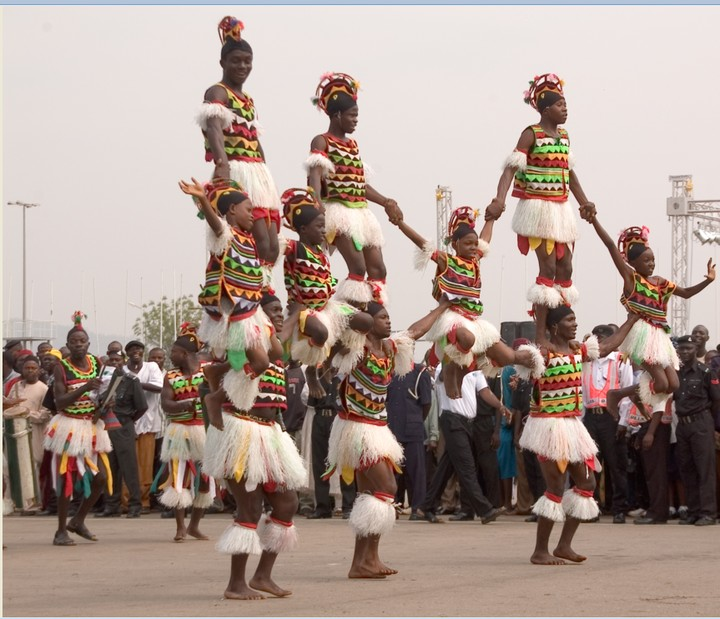
The Atilogwu dance, originating from the Igbo people of southeastern Nigeria, is a vibrant fusion of acrobatics, rhythm, and storytelling. Rooted in ancient communal celebrations, it showcases youthful energy through swift flips, somersaults, and synchronized steps set to pulsating drums and chants. Once a village spectacle, Atilogwu evolved into a national symbol of Nigerian artistry. In the mid-20th century, it gained international acclaim, performed at world festivals, royal events, and cultural expos across Africa, Europe, and the Americas. Today, Atilogwu continues to captivate audiences globally—celebrating resilience, unity, and the enduring spirit of Igbo creativity and performance excellence.
Atilogwu Dance Culture
Categories:
Related Post
Ojude ObaOjude Oba
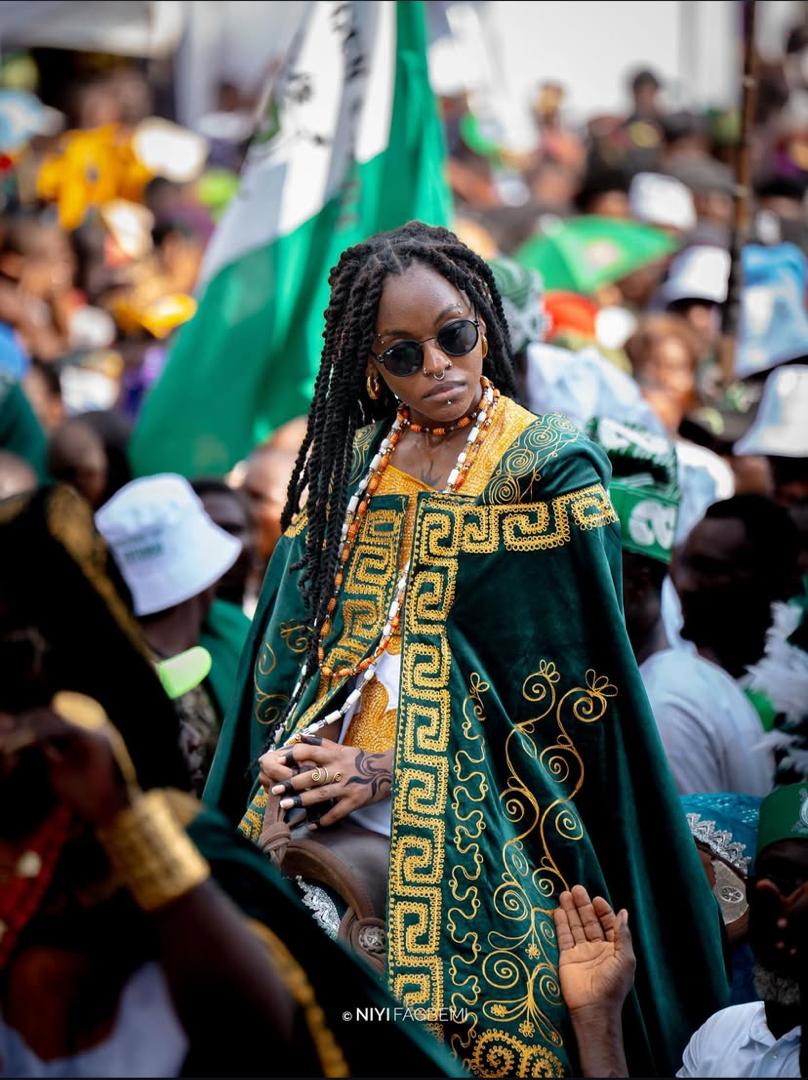
The Ojude Oba festival of Ijebuland, Ogun State, is a spectacular annual celebration held on the third day after Eid-el-Kabir. Originating in the late 19th century, it began when early
Queen Amina of Zazzau: Warrior, Empire Builder, or Myth?Queen Amina of Zazzau: Warrior, Empire Builder, or Myth?
Introduction: Nigeria’s Warrior Queen Few figures in Nigerian history spark as much fascination and debate as Queen Amina of Zazzau. Known as a fearless warrior, empire builder, and political
The Aba Women’s Riot of 1929: Nigeria’s Forgotten Feminist RevolutionThe Aba Women’s Riot of 1929: Nigeria’s Forgotten Feminist Revolution
Introduction: When Women Rose Up In 1929, southeastern Nigeria witnessed one of the most remarkable uprisings in African history — the Aba Women’s Riot, also called the Women’s War.